

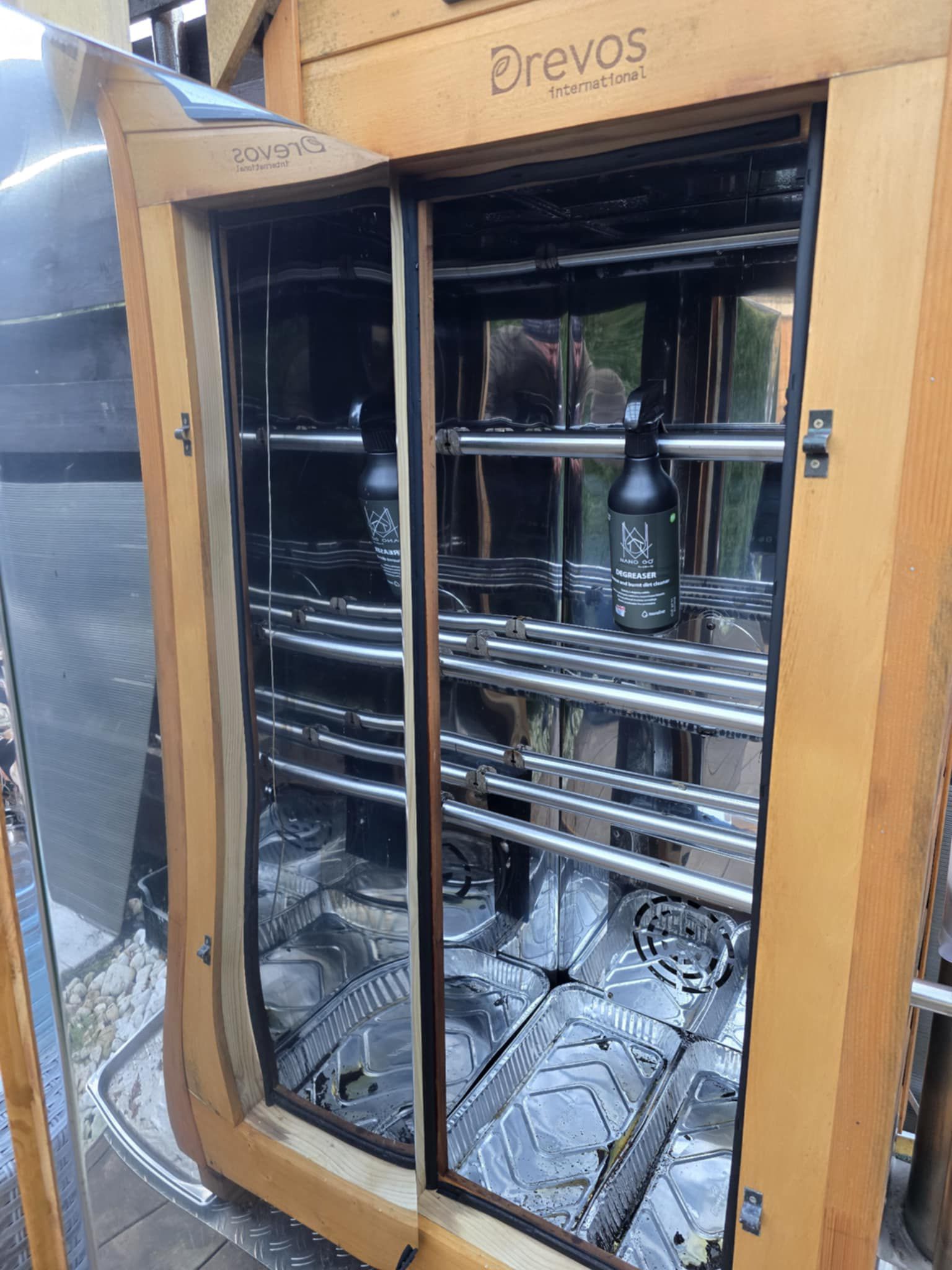
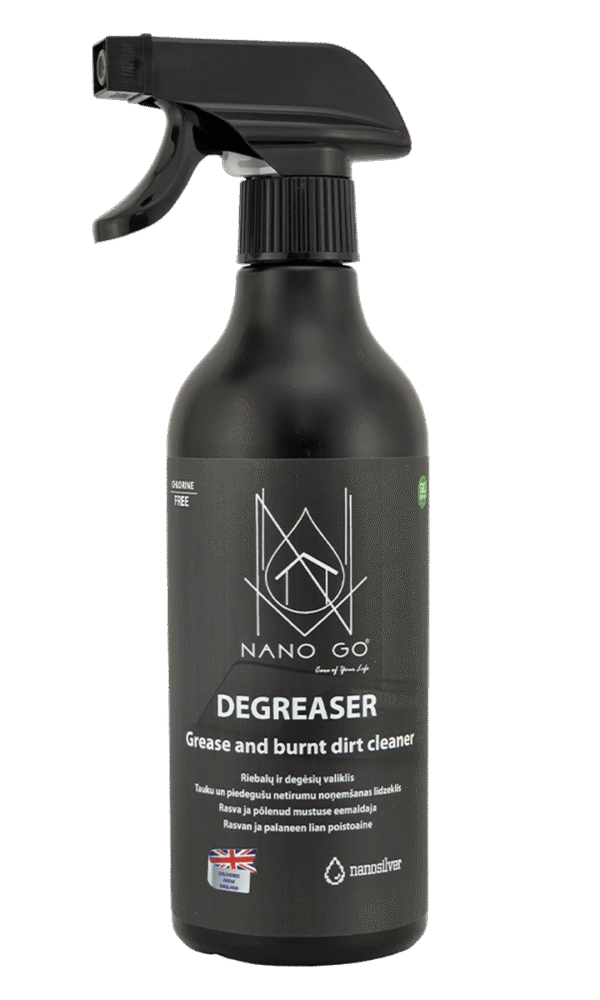
Burnt-on surface cleaner | Degreaser
15.95€
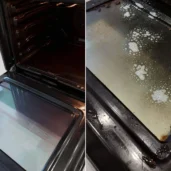
Grease slowly bakes onto oven walls, grill grates and baking trays, and a normal cleaner doesn’t always shift it.
NANO GO® DEGREASER is a ready-to-use, strong alkaline cleaner. It removes grease, oil, burnt-on residue, burnt food, soot and smoke deposits.
Suitable for ovens, grills and BBQ grates, smokers, cooker hoods, fireplace glass, baking trays, removable fryer parts and the outside of pot and pan bases. It can also be used on other washable surfaces, as long as they are alkali-resistant.
- Brand: NANO GO®
- Type: ready-to-use alkaline cleaner for grease, burnt-on residue and soot
- Surfaces: alkali-resistant washable surfaces
In stock
Pristatymas į paštomatą – tik 2.20 €
- 2.20 € už visą užsakymą
- „Unisend“ ir „LP EXPRESS“ paštomatai
When your usual kitchen cleaner gives up
Fresh grease comes off with a cloth. Oven, grill and baking tray grease is another story. It gets heated every time you cook, mixes with bits of food and slowly bakes on, layer after layer. By then a cloth won’t do much.
That’s the job DEGREASER is made for. It’s a ready-to-use, strong alkaline cleaner that helps soften and lift baked-on grease, burnt food and oil, carbonised residue, soot and smoke deposits from surfaces that can take it.
If the build-up is old and thick, don’t try to scrub it all off in one go. Spray, let it work, don’t let it dry, then work it with a sponge or brush, rinse, and repeat if you need to. Here patience usually beats muscle.
What happens when you spray DEGREASER
Baked-on grease is no longer the grease you know from a frying pan. Every time you cook, the heat bakes it a little further, until the oven walls are left with a hard, sticky brown crust. Water and washing-up liquid just slide off it.
DEGREASER deals with that crust differently. The alkali breaks it down until the grease turns into something water can rinse away. Surfactants lift the dirt off the surface, and a solvent helps the cleaner get through thicker layers. All that’s left for you is to wait and wipe off what has softened.
Most of us remember the oven just before the holidays: there’s a roast or a cake to bake for guests, you open the door and see a whole year of cooking. DEGREASER is made for exactly that moment. After a few rounds, you’ll want to open the oven door in front of guests again.
Where it earns its keep
- Ovens: walls and floor carrying a year’s worth of cooking, door glass, racks and trays.
- Grills and BBQs: grates that turned black over the summer, the drip tray and the inside of the lid.
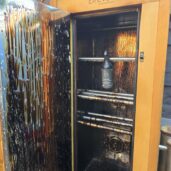
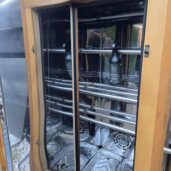
- Smokers: tarry smoke deposits on shelves, hooks and walls.
- Cooker hoods: grease filters your fingers stick to, and the housing above the hob.
- Fireplace and sauna stove glass: when all you can see instead of the fire is a grey haze.
- Trays and pan bases: black burnt-on rings on the outside of pots and pans.
- Fryers: removable parts, if they can take a strong alkaline cleaner.
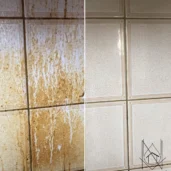
- The wall by the hob: glazed tiles and grout lines where grease spatters.
- Kitchen units and appliances: greasy surfaces near the hob, if they’re fine with water and alkaline cleaners.
- Garden and garage: outdoor kitchen worktops, garden furniture, floors by the grill, tools and oil stains on concrete.
How to use
Light grease: shake, spray a little onto the surface or a cloth, leave for a few minutes, wipe and rinse with water.
Baked-on grease, burnt residue and soot: spray onto a dry, cool surface so water doesn’t dilute the cleaner. Leave for 2-15 minutes and don’t let it dry: you can cover the sprayed area with kitchen paper. Then work it with a sponge or brush and rinse.
Old layer didn’t all come off? Go again. A few short rounds often work better than one very long one. How long it takes and how many rounds you need depend on the surface and the dirt.
Rinse anything that touches food well with drinking water after cleaning.
On painted, lacquered or coated surfaces, and on aluminium, copper or brass, test on a small, inconspicuous area first.
Volume: 500ml
A smoker after the season
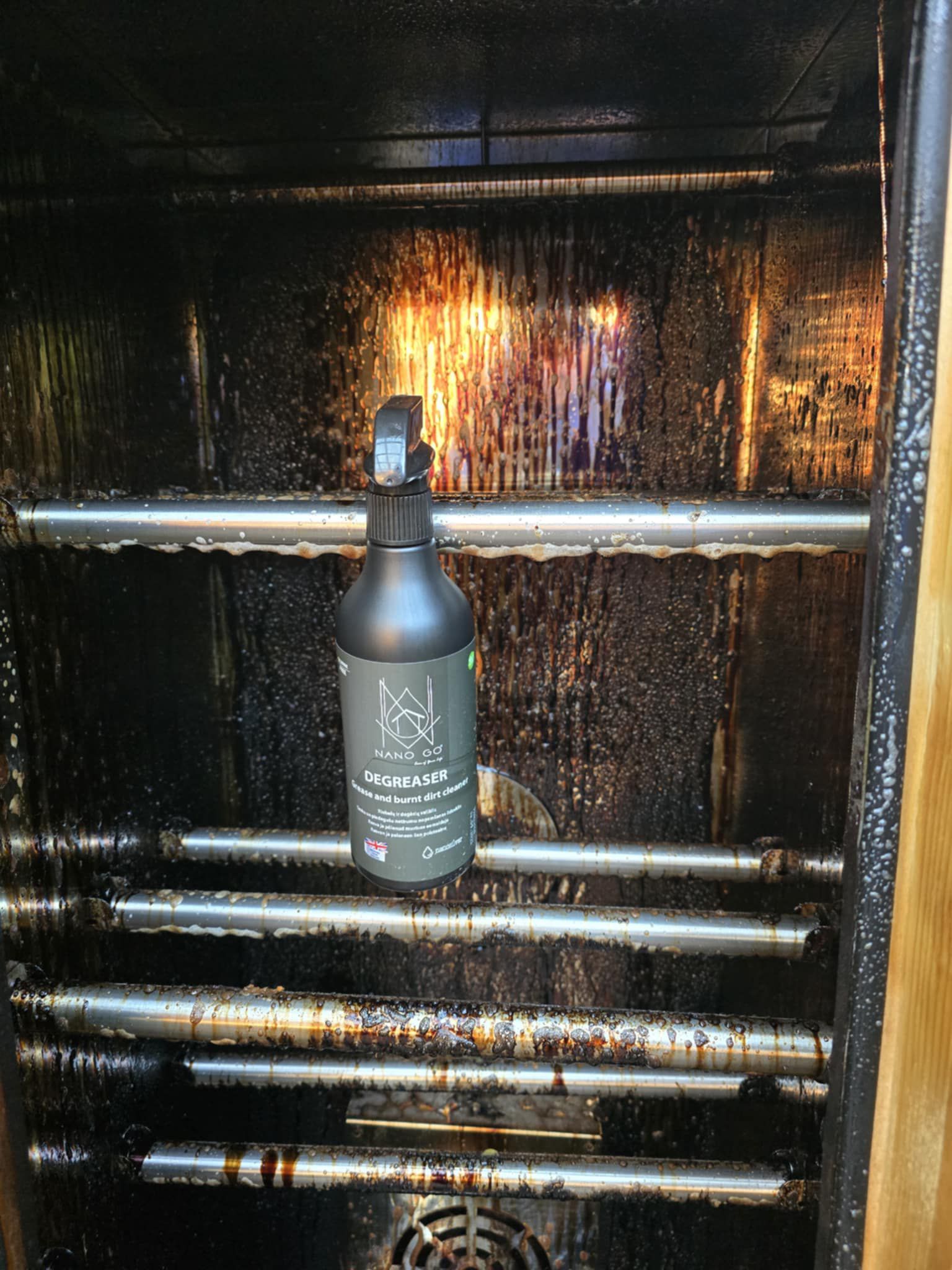
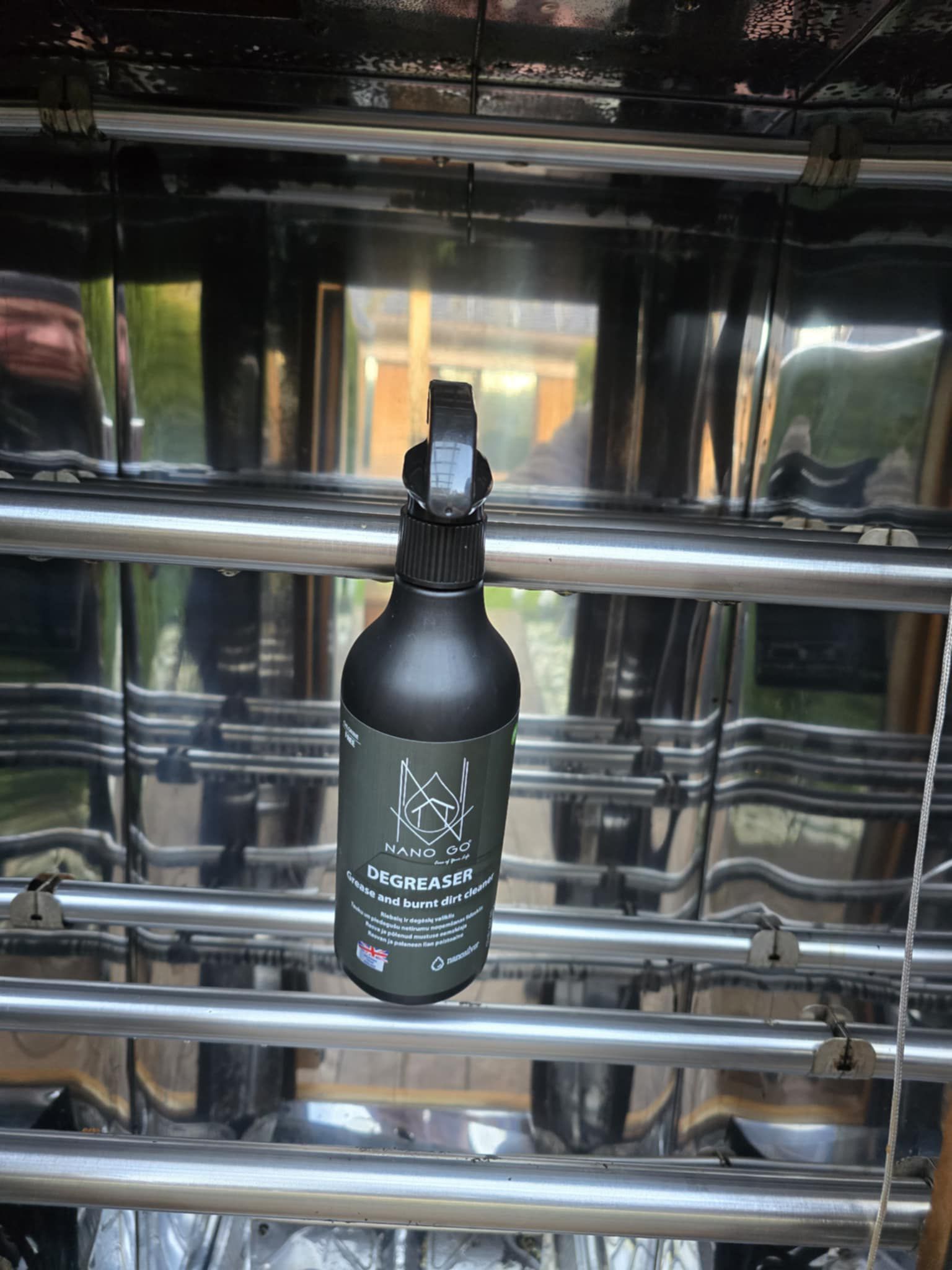
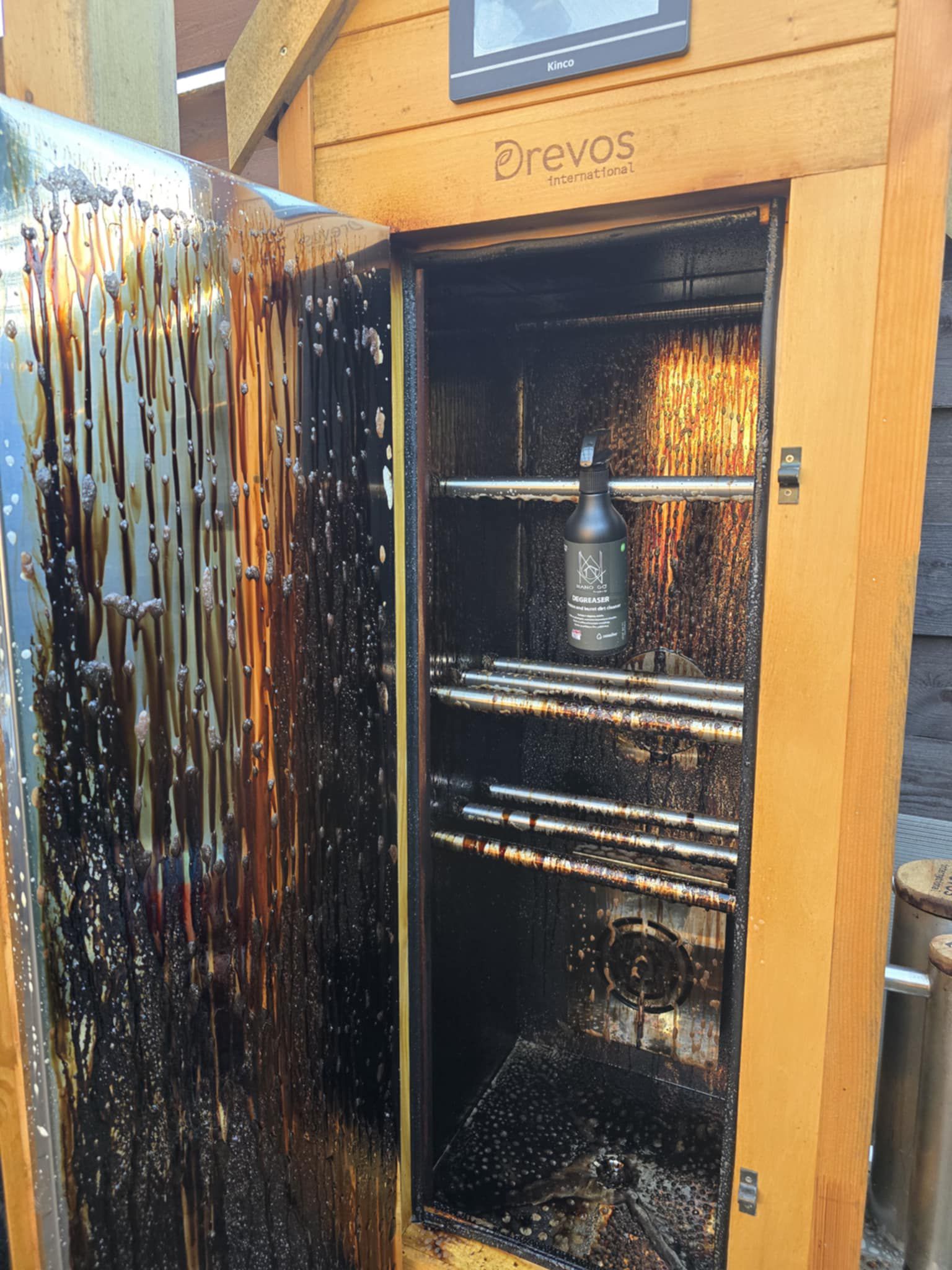
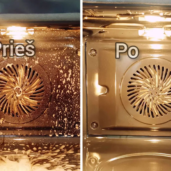
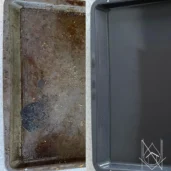
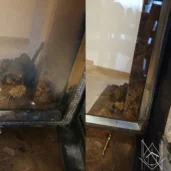
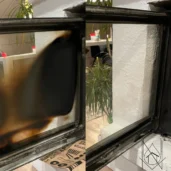
If you want to know what a degreaser is really worth, give it a smoker at the end of the season. The grease there isn’t just baked on, it’s carbonised: a whole season of smoke, layer on layer, until the shelves and walls are black and sticky. That’s exactly the kind of smoker we tested DEGREASER on. You can see how it looked before and after cleaning in the product photos.
Detailed composition, technical and safety information is available in the digital product passport.
Product images may differ from the actual product in colour, shape or packaging appearance.
Frequently asked questions
DEGREASER is a strong alkaline cleaner, so not every surface will take it. On painted, lacquered, anodised, non-stick, decorative or other coated surfaces, try a small spot where it won't show first. Don't let it dry, and rinse well with water when you're done. Use it with care on unprotected aluminium, copper, brass or zinc, as it may change their colour. Don't use it on catalytic self-cleaning oven liners or on waxed and oiled surfaces such as natural wood.
No. DEGREASER itself is virtually odourless, with only a very mild, neutral cleaning-product scent. When a larger amount is sprayed, a fine mist forms in the air and may briefly create a sharper sensation in the nose or throat, which can make the product seem stronger-smelling than it actually is. This is not a strong odour from the liquid itself. Avoid inhaling the spray mist and ensure good ventilation during use. NANO GO DEGREASER is formulated without the strong, characteristic odour often associated with heavy-duty alkaline cleaners.
Yes, as long as the surface is fine with water and a stronger alkaline cleaner. It's handy for greasy units around the hob and cooker hood, appliance exteriors, garden tools and other washable surfaces. Try painted, lacquered or decorative finishes on a small area first.
Yes, that's what it's for: baked-on grease, burnt residue and food deposits. Switch the oven off and let it cool. Keep the spray off the heating elements, fan, electrical parts and catalytic self-cleaning liners. Rinse everything well with water afterwards.
Yes, if the material can take a strong alkaline cleaner. It works on baking trays, oven racks and the outside bottoms of suitable pots and pans. Anything that touches food needs a very thorough rinse with drinking water afterwards. Check what the item is made of. A pan can be non-stick inside and still have an unprotected aluminium base. On unprotected aluminium trays, cake tins, moka pots, old aluminium pans, cauldrons and foil containers, use DEGREASER with care, as it may change their colour.
Yes, if they can take an alkaline cleaner. Spray, leave briefly, give them a light scrub if needed and rinse well. Bear in mind that many filters are unprotected aluminium, which DEGREASER may discolour. If you're not sure what yours is made of, try a small area first.
Yes. You can use it for grease, burnt residue, soot and smoke deposits on grills, BBQ grates, cooking racks and smokers. Clean them only once cool. Anything that touches food needs a very thorough rinse with drinking water afterwards.
You can clean the removable, washable parts that can take a strong alkaline cleaner. Be careful with non-stick or other special coatings and follow the appliance manufacturer's care instructions. Keep away from electrical parts, heating elements, the control panel, vents and electronics. Rinse removable parts well.
Where rinsing isn't possible, wipe several times with a clean damp cloth.
Yes, for soot and smoke deposits on cooled glass. It's easier to spray onto a cloth than straight onto the glass, so it doesn't run onto the painted frame, sealing rope or floor. Wipe the glass well with a clean damp cloth afterwards. For the final shine, NANO GO® CRYSTAL GLASS SHINE does the job.
Yes, on glazed tiles and other tiles that can handle alkaline cleaners. If the tiles or their finish are anything out of the ordinary, try a small area first.
Yes, but carefully, and only on inside surfaces that are meant to be cleaned. Spray onto a cloth, not into the microwave. Keep clear of vents, electronics, door seals and the control panel. Wipe the area several times with a clean damp cloth afterwards. For routine microwave cleaning, NANO GO® KITCHEN CLEANER is the better choice.
Yes, on washable floors that can take a stronger alkaline cleaner, for example greasy spots next to a grill or smoker, or in a kitchen that sees a lot of cooking. For more delicate floors, follow the flooring manufacturer's care instructions.
It's meant for the heavier jobs: old grease, burnt residue and soot. For worktops, cupboards and day-to-day kitchen cleaning, NANO GO® KITCHEN CLEANER is a better fit.
No, it's ready to use. Go easy on the spray, because more product doesn't necessarily mean a cleaner result. Giving it time to work and rinsing properly afterwards matters more.
For heavy, baked-on grease, spray onto a dry surface so water doesn't dilute the cleaner. For lighter cleaning, you can put it on a cloth or sponge instead. Either way, don't let it dry.
A few minutes is often enough for light grease. For heavier dirt, leave it for up to 15 minutes, but don't let it dry. On painted, lacquered, anodised or coated surfaces, keep it shorter. If some dirt is left, rinse and go again rather than leaving the cleaner on for a very long time in one go.
On a surface that hasn't been cleaned for a long time, grease, soot, heat or earlier cleaning may already have damaged the finish. Once the thick old layer comes off, what was underneath can show through: old stains, oxidation, dull or heat-marked areas. Dull patches can also appear if the cleaner was used on the wrong surface or left to dry.
Use it as directed and in normal household amounts. Rinse the cleaned surface with water. Don't pour undiluted product or leftovers straight down the drain. And follow the advice from your system's manufacturer.
Safety information is on the label. Full composition, technical and safety information is in the digital product passport.

Product information
Physical properties
Always follow the information on the product label.
Intended use
Ready-to-use alkaline cleaner for removing grease, burnt-on dirt, soot and burnt food residues. Suitable for ovens, grills, cooker hoods, fireplace glass and other alkali-resistant surfaces.
Usage instructions
Shake before use. Spray onto the surface, leave to work for 2–15 minutes, scrub if necessary and rinse thoroughly with water. Do not allow the product to dry. Do not use on hot surfaces. Before use, test the cleaner on an inconspicuous area.
Ingredient data sheet
Unit 11 Broadgate House, Westlode Street,
Spalding, Lincs, United Kingdom, PE11 2AF
Tilžės g. 171-71, Šiauliai, LT-76205, Lithuania
Tel.: +370 618 46400
E-mail: info@nanogo.lt
Website: nanogo.lt
Aqua, Sodium Hydroxide, Potassium Hydroxide, Butoxydiglycol, Cocamidopropyl Betaine, Caprylyl/Capryl Glucoside, Disodium Etidronate, Amines, N-C10-16-alkyltrimethylenedi-, reaction products with chloroacetic acid, Butoxyethanol.
Safety warnings
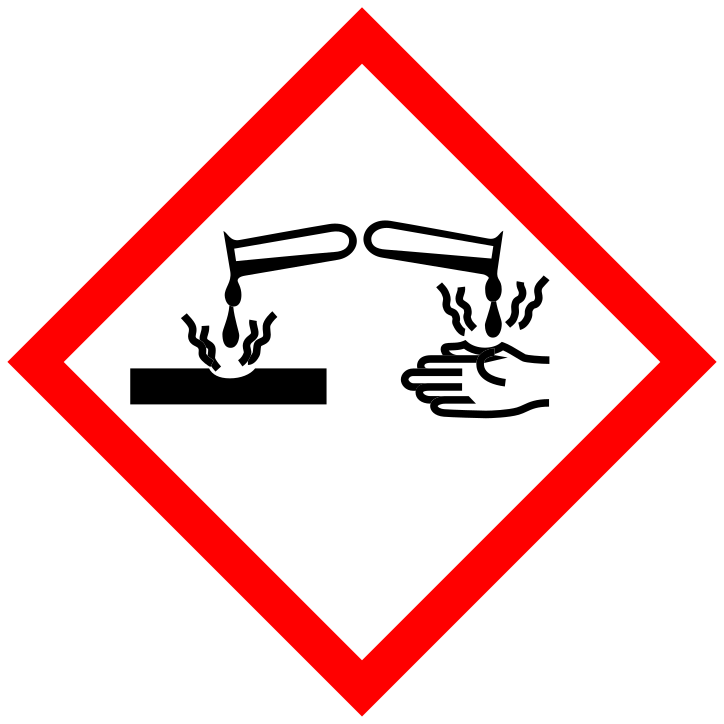
Danger
Hazard statements (H)
H314 – Causes severe skin burns and eye damage.
H317 – May cause an allergic skin reaction.
Precautionary statements (P)
P101: If medical advice is needed, have product container or label at hand.
P102: Keep out of reach of children.
P264: Wash hands thoroughly after handling.
P280: Wear protective gloves/protective clothing/eye protection.
P301+P330+P331: IF SWALLOWED: Rinse mouth. Do NOT induce vomiting.
P303+P361+P353: IF ON SKIN (or hair): Take off immediately all contaminated clothing. Rinse skin with water or shower.
P305+P351+P338: IF IN EYES: Rinse cautiously with water for several minutes. Remove contact lenses, if present and easy to do. Continue rinsing.
P501: Dispose of contents/container according to the separated collection system used in your municipality.
Packaging
Ecology and recycling
Storage conditions
Emergency contacts
Poison Control Center: +370 5 236 2052
Emergency Services: 112
Technical Consultation: +370 618 46400
Technical Questions: info@nanogo.lt
Working Hours: Mon–Fri 9:00–17:00


Reviews
There are no reviews yet.